Arabic keyword research: group by intent before spelling
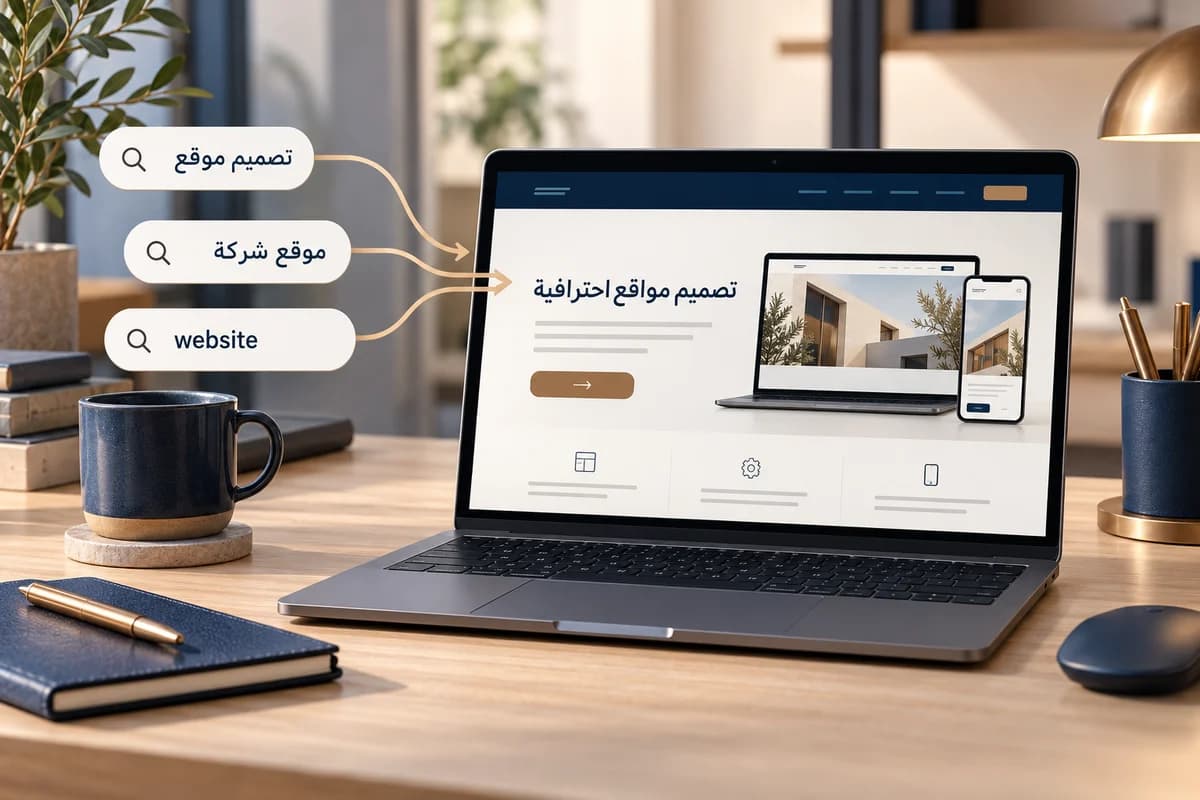
A searcher in Egypt may use Modern Standard Arabic, Egyptian phrasing, Arabic script, Latin transliteration, or a city and service term. Different spellings do not always represent different needs, and similar words do not always share intent. Google's helpful-content guidance supports writing for people rather than producing duplicate pages for variants.
A synthetic exercise, not measured demand
| Question cluster | Example phrasings to investigate | Candidate page |
|---|---|---|
| Understand the service | شركة تحسين محركات البحث, SEO agency, شركة سيو | An SEO page that explains scope |
| Compare cost | تكلفة SEO, سعر شركة سيو, SEO pricing | A guide to cost drivers, without an invented average |
| Find a local provider | شركة تصميم مواقع في القاهرة, web design Cairo | A location page only if service and useful local detail are real |
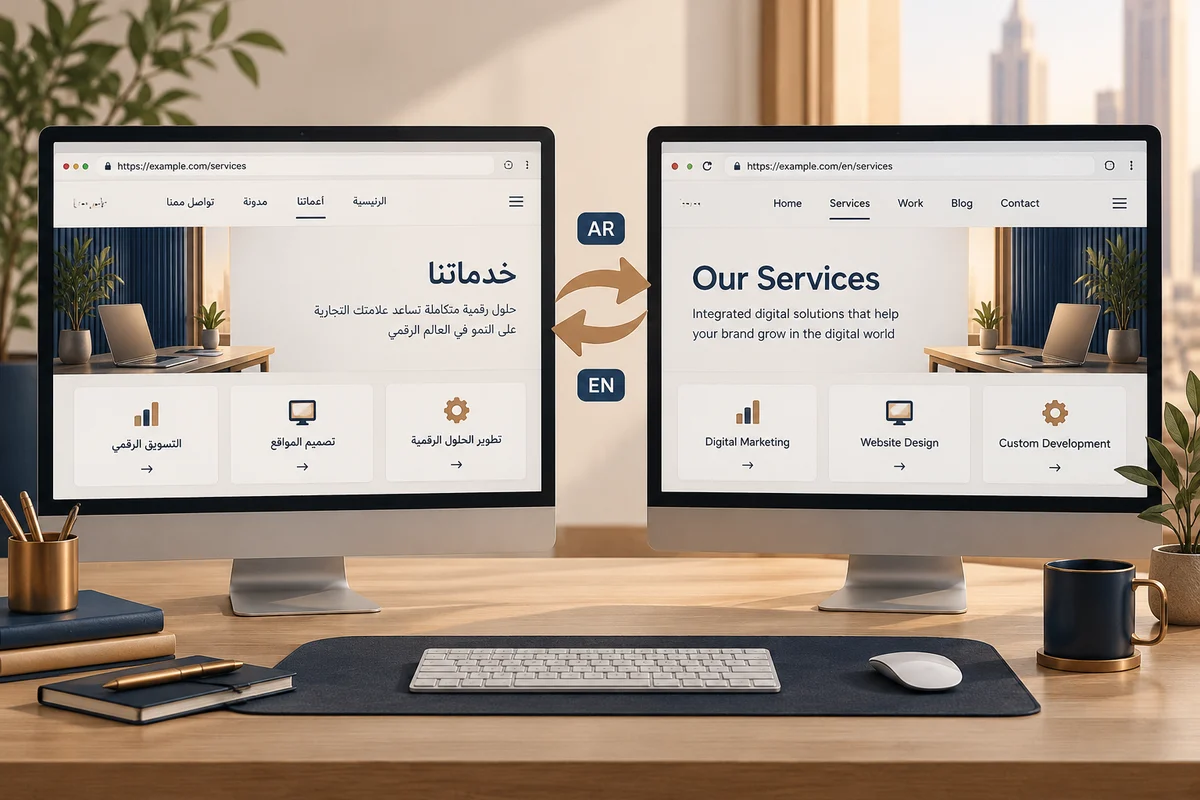
| Build bilingual pages | موقع عربي وإنجليزي, bilingual website Egypt | A guide to language experience and URL relationships |
These are prompts for research, not keywords with verified volume or demand. Do not create four pages if each would say the same thing. Use Search Console queries when enough property data exists; review language from customer conversations and briefs only with permission and without copying personal details.
A practical workflow
- Collect Arabic, Egyptian, Latin-script and English variants.
- Classify each as learning, comparison, service selection or local intent.
- Choose one page per distinct need and define what it will answer.
- Record the date and source of each observation; distinguish a customer phrase from a Search Console query.
- After publication, inspect query-to-page patterns, then improve or merge overlapping pages.
A keyword is not separate from natural language. Keep Arabic readable and avoid stuffing English service names into every sentence. Build an SEO plan around services and markets the business actually serves.